

The Future Of Restaurant Expansion Is Hybrid: A Goop Kitchen & Carla Cafe Case Study
September 22, 2026

Dig in
Read Time
13 min
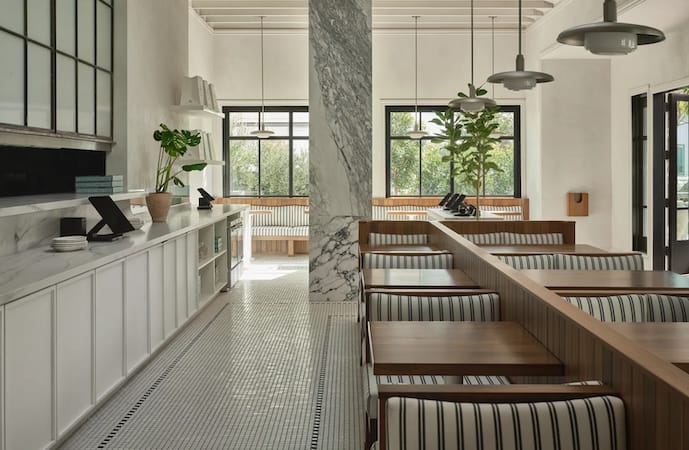
Five years ago, ghost kitchens were supposed to make restaurants asset-light. Instead of spending millions on retail, operators could rent flexible commercial kitchens, plug into DoorDash and Uber Eats, and scale across a city without the fixed costs of traditional restaurant real estate. Restaurants without restaurants. The logic made sense for reducing upfront capital and testing new markets, but it treated retail mostly as an expensive production asset rather than a customer acquisition channel. As the category has matured, some of the more interesting delivery-first brands are finding a middle ground between asset-light infrastructure and physical retail. Carla Cafe spent four years graduating from a house to a borrowed nightclub kitchen to a ghost kitchen before opening permanent locations. Goop Kitchen now spans a highly designed sit-down restaurant in Del Mar, a customer-facing pickup outpost on Manhattan’s Upper East Side, and a new delivery-focused kitchen in Downtown Brooklyn. Temaki ToGo, which HNGRY covered at launch as a concept purpose-built for off-premise consumption, shows the harder side of the equation: an asset-light model only works if the brand can generate demand without constantly paying a marketplace to deliver it. The opportunity may not be choosing between asset-light and retail, but deciding where retail actually earns its keep.
Subscribe to continue reading
Sign up now for HNGRY Trends to read weekly stories like this and join the community of hundreds of food tech industry insiders from CloudKitchens, Uber, DoorDash, GoPuff, and more.
Already a member? Log in
📚
Related Reading
📚 Related Reading 📚


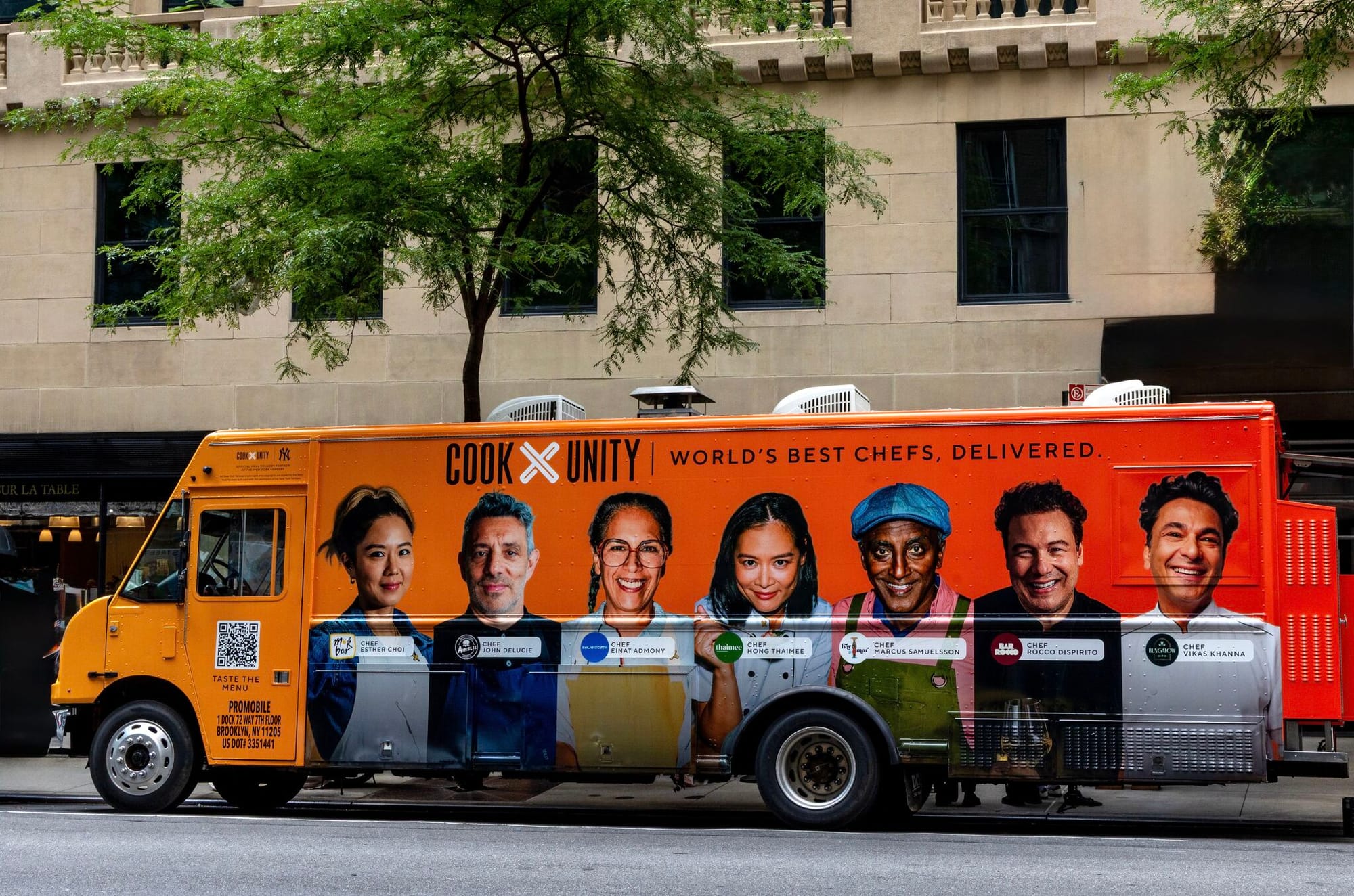
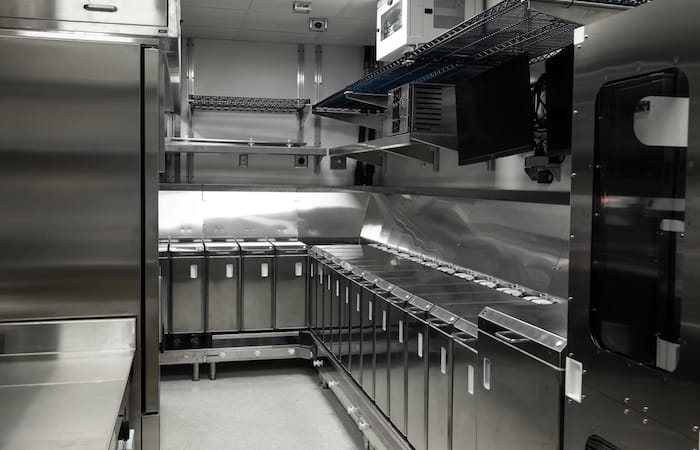
How CookUnity Is Building Scalable Infrastructure For Chef-Prepared Meals
August 26, 2026

🔗
Connect
Get occasional updates from HNGRY


© Hngry Media Holdings LLC, 2026. All rights reserved.