


Read Time
11 min
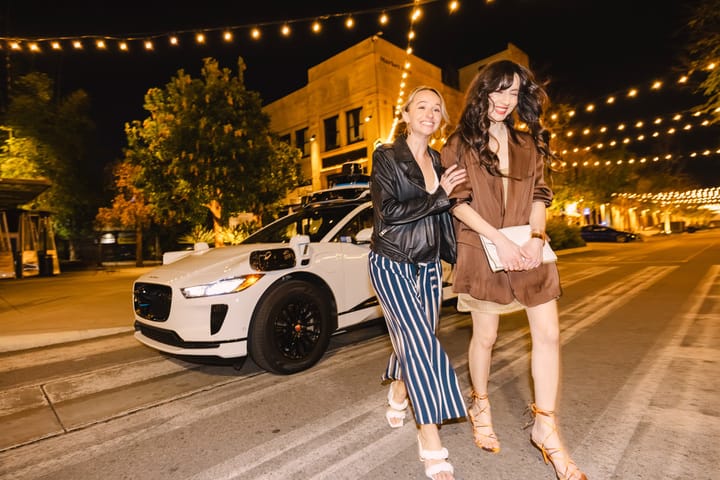
Over the last few weekends, I’ve been heading out on roadtrips with my Tesla’s latest Full Self-Driving without pretty much any intervention. Meanwhile, I started noticing that places I previously considered inconvenient suddenly didn't feel very far away. A 30-minute drive was no longer 30 minutes spent staring at the road. I could have a conversation, check my phone, or simply zone out while the car handled most of the work. It reminded me of what WiFi did to long-haul flights by turning dead time into usable time. Autonomous vehicles will eventually do something similar to cities. As driving becomes cheaper, safer, and increasingly passive, the perceived cost of distance falls. That has obvious implications for transportation, but the more interesting second-order effects could show up in industries that have been organized around transportation friction for decades. Restaurants are one of them. If customers become willing to travel farther for dinner, the value of being physically close to them falls. That could weaken the premium attached to "Main and Main" restaurant real estate, favor destination-worthy concepts in cheaper neighborhoods, shift discovery into the car itself, and eventually turn the restaurant reservation into a bundled transportation product.
Subscribe to continue reading
Sign up now for HNGRY Trends to read weekly stories like this and join the community of hundreds of food tech industry insiders from CloudKitchens, Uber, DoorDash, GoPuff, and more.
Already a member? Log in
📚
Related Reading
📚 Related Reading 📚


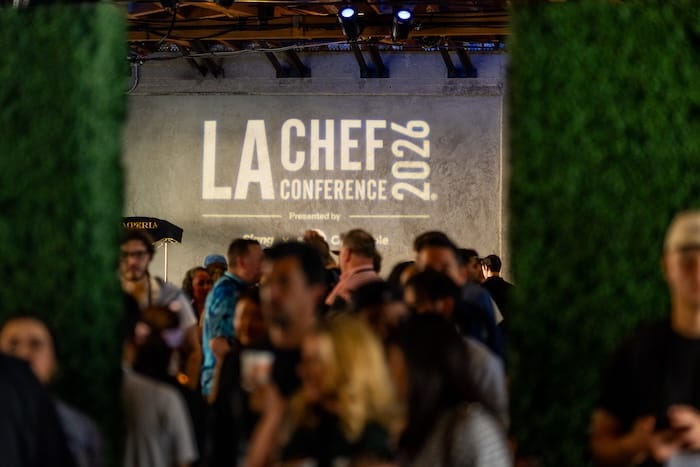
HNGRY Hosts LA Chef Conference Talk On Unbundling The Restaurant Tech Stack
October 07, 2026

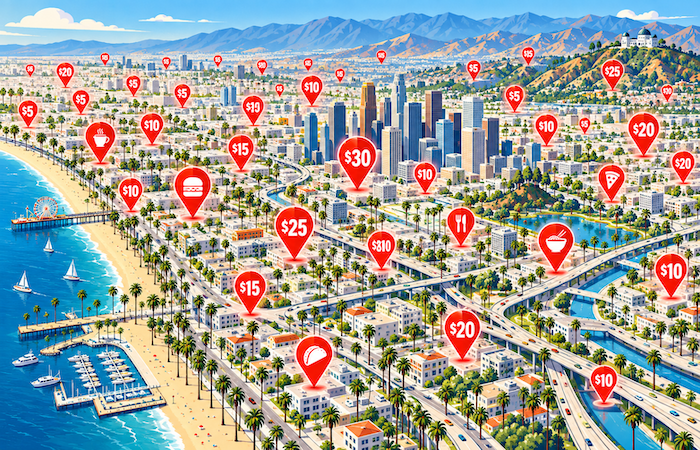
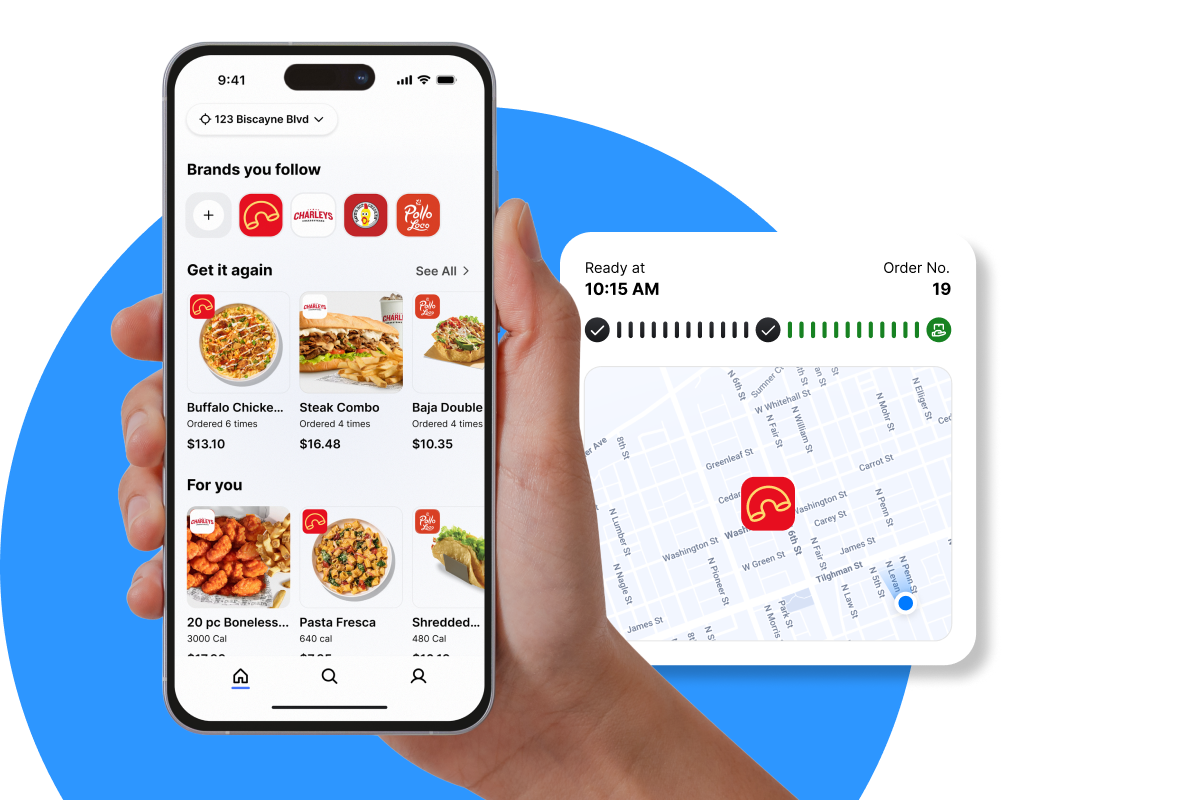
DoorDash Intercepts In-Store Demand To Sell Restaurants On New Acquisition Channel
September 29, 2026
🔗
Connect
Get occasional updates from HNGRY


© Hngry Media Holdings LLC, 2026. All rights reserved.